Kahile Kahi Man Ka Kura
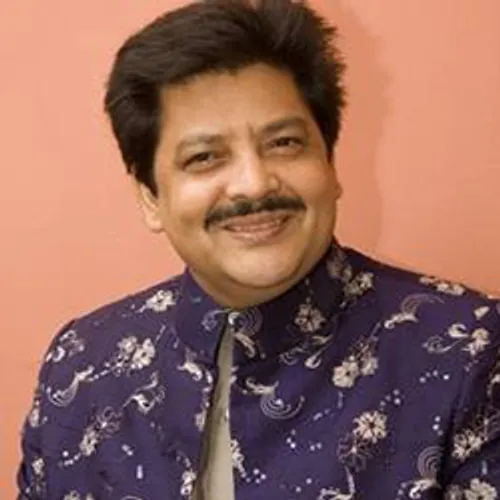
by Udit Narayan
This is a deeply introspective song that explores themes of self-reflection, identity, and the passage of time. The lyrics use the metaphor of a mirror to question what truly matters in life, gently challenging the listener to look beyond superficial appearances. The song speaks to how we often spend our youth obsessing over how we look to others, mirror after mirror, only to realize that life has slipped away. There's a touching quality to the plea asking others to share their inner thoughts and feelings, reminding us that we all have hearts and emotions, not just surfaces to judge. The repetition of the mirror imagery creates a haunting, meditative quality that feels both melancholic and searching. Udit Narayan's delivery brings warmth and wisdom to these philosophical musings, making it a reflective piece that encourages listeners to think about what's truly important as time moves forward.
कहिले काहीँ मनका कुरा, हाम्लाई पनि भन
ढुँगा मुढा हैन होला, हाम्रो पनि मन
दर्पण छायाँ, हेरीहेरी नानी, गयो जोवन
दर्पण छायाँ, हेरीहेरी नानी, गयो जोवन
कति चोटी ढाँटीसक्यो, दर्पणले तिम्लाई
कति चोटी ढाँटीसक्यो, दर्पणले तिम्लाई
अझ कति सोध्यौ नानी, आफ्नो रुप उनलाई
अझ कति सोध्यौ नानी, आफ्नो रुप उनलाई
हामीलाई पनि सोधी हेर
हामीलाई पनि सोधी हेर
के छौ तिमी, हाम्रो लागी
दर्पण छायाँ, हेरीहेरी नानी, गयो जोवन
दर्पण छायाँ, हेरीहेरी नानी, गयो जोवन
संसारलाई तिम्लाई हेरोस, तिम्ले संसार हेर
संसारलाई तिम्लाई हेरोस, तिम्ले संसार हेर
धेरै धेरै पाउने छौ, तिम्ले त्यति खेर
धेरै धेरै पाउने छौ, तिम्ले त्यति खेर
ब्यर्थै फाल्यौ जोवन किन
ब्यर्थै फाल्यौ जोवन किन
घरको चारै भित्ता कुरी
दर्पण छायाँ, हेरीहेरी नानी, गयो जोवन
दर्पण छायाँ, हेरीहेरी नानी, गयो जोवन
कहिले काहीँ मनका कुरा, हाम्लाई पनि भन
ढुँगा मुढा हैन होला, हाम्रो पनि मन
दर्पण छायाँ, हेरीहेरी नानी, गयो जोवन
दर्पण छायाँ, हेरीहेरी नानी, गयो जोवन