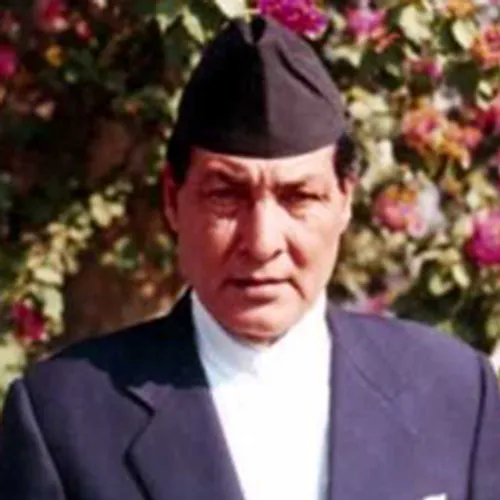
Maiti Ghar Timro Hoina
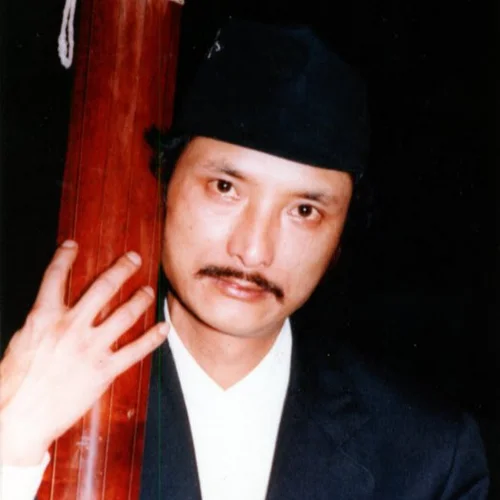
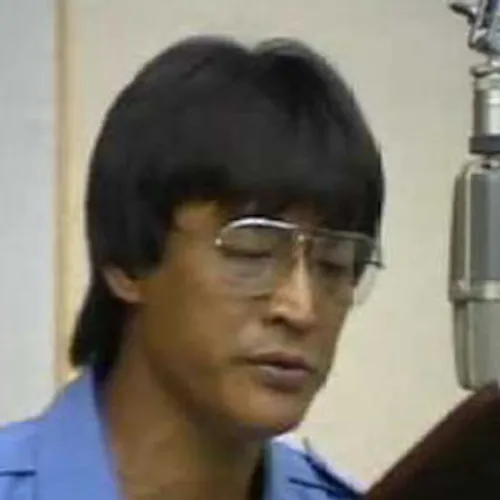
by Dwarika Lal Joshi
This poignant song delves into the emotional landscape of a newly married woman navigating the painful transition from her maternal home (Maiti Ghar) to her husband’s house (Parai Ghar). Sung with deep sensitivity by Dwarika Lal Joshi, the track serves as both a gentle comfort and a realistic reflection of traditional societal expectations, highlighting how a daughter's primary identity and belonging are expected to shift post-marriage. The lyrics capturing this bittersweet departure resonate deeply with listeners, articulating the unspoken sorrow and vulnerability felt by families during such a pivotal life milestone.
Musically, the composition is a masterful blend of classic Nepalese modern and folk elements, relying on minimalist yet expressive instrumentation like the harmonium and tabla to amplify its sentimental undertones. Rather than overwhelming the listener with dramatic orchestration, Joshi relies on his soulful, evocative vocal delivery to carry the weight of the narrative. This deliberate simplicity allows the heartfelt message to take center stage, cementing the track as an enduring, nostalgic gem in the treasury of Nepalese music that continues to touch souls across generations.
माइती घर तिम्रो हैन पराइघर जाउ
बिदा लिइ कहिलेकाहीं जन्म घर आउ
माइती घर तिम्रो हैन पराइघर जाउ
बिदा लिइ कहिलेकाहीं जन्म घर आउ
कस्तो हुन्छ वरको घर कस्तो हुन्छ पर
तिमिलाई जिन्दगिमा लाग्दो होला डर
कस्तो हुन्छ वरको घर कस्तो हुन्छ पर
तिमिलाई जिन्दगिमा लाग्दो होला डर
कठै तिम्रो आँगनमा बज्न थाल्छ बाजा
कठै तिम्रो आँगनमा बज्न थाल्छ बाजा
बाबा तिम्रो मन अनी रुन थाल्छ होला
माइती घर तिम्रो हैन पराइघर जाउ
बिदा लिइ कहिलेकाहीं जन्म घर आउ
जन्मघर भन्दा ठुलो कर्मघर ठान
हामीलाई भन्दा धेरै अब पराईलाई मान
जन्मघर भन्दा ठुलो कर्मघर ठान
हामीलाई भन्दा धेरै अब पराईलाई मान
सुँक्क सुँक्क गर्न छोड आँसु पुछी दिन्छौं
सुँक्क सुँक्क गर्न छोड आँसु पुछी दिन्छौं
फलोस फूलोस तिम्रो जीवन आशिष यही दिन्छौँ
माइती घर तिम्रो हैन पराइघर जाउ
बिदा लिइ कहिलेकाहीं जन्म घर आउ
माइती घर तिम्रो हैन पराइघर जाउ
बिदा लिइ कहिलेकाहीं जन्म घर आउ