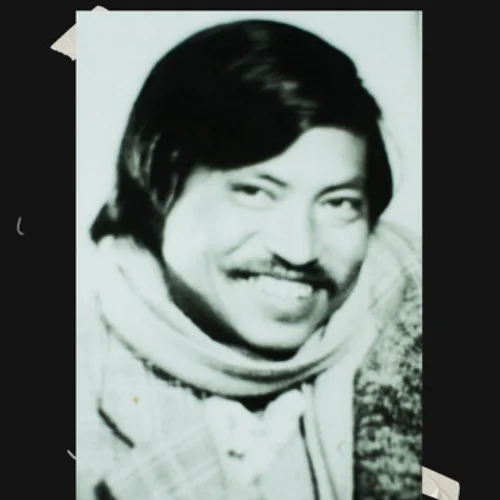
"Bairoad Ko Batoma" (or Byroad Ko Batoma) is an iconic Nepali evergreen folk song collected by Hiranya Bhojpure and originally sung as a duet alongside the legendary artist Pandav Sunuwar. The song serves as a lyrical time capsule, referencing the historic Tribhuvan Highway—historically known to locals as the "Byroad"—which was Kathmandu's very first motorable highway connecting the capital to the plains. Sung from the perspective of a traveler or driver kicking up dust while navigating a taxi along these winding mountain roads, the track captures the romance, transience, and changing landscapes of mid-20th-century Nepal as modern transportation began transforming local communities.
Musically, the song features a lively acoustic composition that beautifully contrasts simple, deeply nostalgic rural imagery with the fast-paced energy of a changing country. The lyrics feature playful references to regional locales like Charikot, natural scenery, and flirtatious calls for a loved one to make an excuse to meet by the wayside. Decades after its release, it remains a beloved staple of Nepali musical history, preserved through live revival performances like the Paleti Nepalaya Musical Series.
"Bairoad Ko Batoma" (or Byroad Ko Batoma) is an iconic Nepali evergreen folk song collected by Hiranya Bhojpure and originally sung as a duet alongside the legendary artist Pandav Sunuwar. The song serves as a lyrical time capsule, referencing the historic Tribhuvan Highway—historically known to locals as the "Byroad"—which was Kathmandu's very first motorable highway connecting the capital to the plains. Sung from the perspective of a traveler or driver kicking up dust while navigating a taxi along these winding mountain roads, the track captures the romance, transience, and changing landscapes of mid-20th-century Nepal as modern transportation began transforming local communities.
Musically, the song features a lively acoustic composition that beautifully contrasts simple, deeply nostalgic rural imagery with the fast-paced energy of a changing country. The lyrics feature playful references to regional locales like Charikot, natural scenery, and flirtatious calls for a loved one to make an excuse to meet by the wayside. Decades after its release, it remains a beloved staple of Nepali musical history, preserved through live revival performances like the Paleti Nepalaya Musical Series.
Song Info
Release Year
1973
Genre
Folk Rock, Oldies
Language
nepali
Added by
Binayak Chalise
All lyrics and musical compositions displayed on this page are the intellectual property of their respective songwriters, composers, and publishers. They are provided here for personal and educational purposes only. Terms of Service.