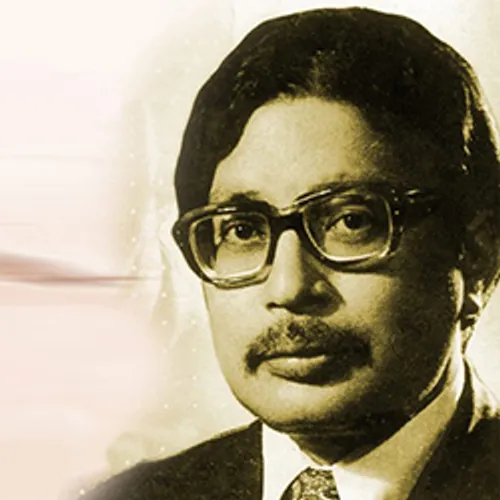
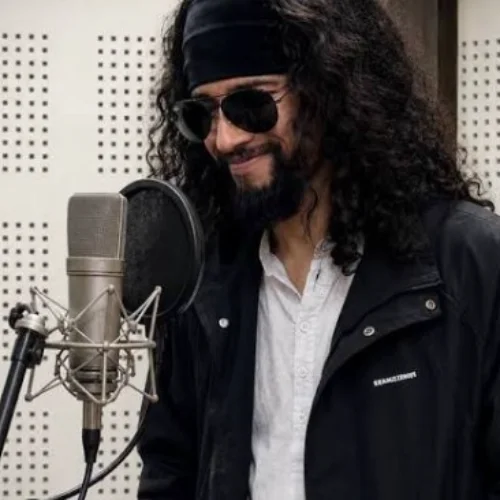
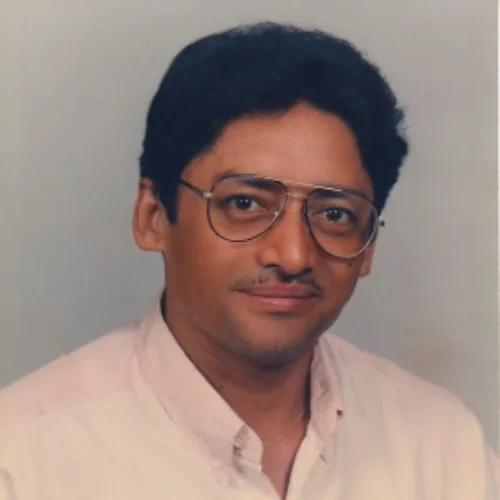
Yogesh Vaidya was a revered veteran singer, composer, and litterateur who left an indelible mark on modern Nepalese classical music. Often affectionately referred to as the "Muhammad Rafi of Nepal", Vaidya possessed a soulful, resonant voice that dominated the country’s musical landscape for over six decades. Born in the Nardevi neighborhood of Kathmandu, he was a uniquely multifaceted intellectual; outside of his artistic pursuits, he earned a master’s degree in food and nutrition from Ghent University in Belgium and dedicated 33 years of his life to government service before retiring as a Technical Joint Secretary in 2005. Over the course of his extensive artistic career, Vaidya lent his voice to more than 600 tracks, performing seamlessly in both the Nepali language and his native Nepal Bhasa (Newari).
Vaidya first captured national attention with his 1968 debut track, "Kati Pyasi Chha Jindagi". He quickly established a timeless legacy through iconic masterpieces like "Sapana Bhulai Saara", "Mero Aanshumaa Nahanse", and the patriotic anthem "Nepal Mero Timilai Upahar Bhayo". His exceptional artistry earned him some of Nepal's most prestigious cultural accolades, including top honors at the National Song Conference and the renowned Chhinnalata Song Prize. Tragically, the musical icon passed away at the age of 77 on January 18, 2024, at Kathmandu Valley Hospital due to prolonged complications from diabetes and paralysis. Despite his passing, his deep, expressive compositions remain a permanent cornerstone of classical and modern Nepalese music history.