Aama Aama
by Deep Shrestha
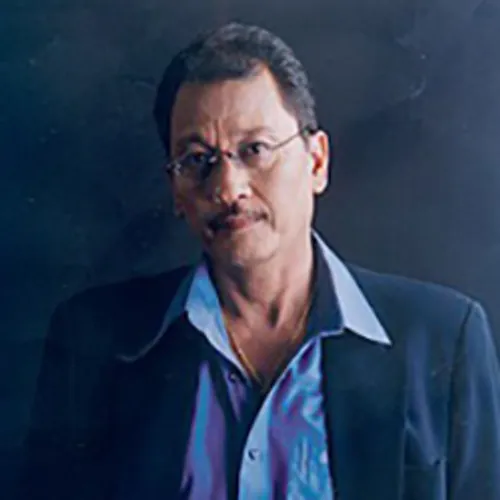
Deep Shrestha’s soulful rendition of "Aama" (often referred to as "Aama Uniharule Je Sukai Bhanun") stands as a towering masterpiece in Nepali modern music, seamlessly blending poignant social commentary with deep emotional resonance. Based on a powerful poem by the revered Yugkavi (Poet of the Era) Siddhicharan Shrestha, the song serves as an intimate yet fierce dialogue between a son and his mother. Through its moving melody, the track addresses the painful reality of being misunderstood by a conformist society. The protagonist reassures his mother that he hasn't committed any wrong, highlighting a profound generational and societal conflict where speaking the truth or demanding basic human rights is tragically mislabeled as madness.
Musically, the song showcases Deep Shrestha’s legendary ability to breathe life into complex literary verses, turning a revolutionary poem into a timeless, melancholic anthem. His evocative vocals, paired with a slow, building composition, capture the isolation of an individual standing up against systemic injustice and hypocrisy. By contrasting those who stay silent and turn a blind eye to wrongdoing with the protagonist's refusal to suppress his conscience, the song transcends a simple tribute to motherhood. It remains a celebrated piece of art in Nepal, honored for both its musical brilliance and its enduring defense of individual expression and truth.
आमा आमा तिनिहरुले जे सुकै भनुन्
म बहुला होइन
आमा आमा तिनिहरुले जे सुकै भनुन्
म बहुला होइन
आमा आमा
मैले गर्न न हुने केही गरेकै छैन्
बोल्न न हुने केही बोलेकै छैन्
मेरो आखा छ हेर्न पाउ भन्छु
पेट छ खान पाउ भन्छु
मेरो आखा छ हेर्न पाउ भन्छु
पेट छ खान पाउ भन्छु
आमा आमा तिनिहरुले जे सुकै भनुन्
म बहुला होइन
आमा आमा
नाङो कोही नहिडोश भन्छु
आवाज कानले सुन्न पाओस भन्छु
विचारलाई बोलीमा उतार्न पाओस् भन्छु
विचारलाई बोलीमा उतार्न पाओस् भन्छु
आमा आमा तिनिहरुले जे सुकै भनुन्
म बहुला होइन
आमा आमा तिनिहरुले जे सुकै भनुन्
म बहुला होइन
आमा आमा
आमा आमा
आमा आमा