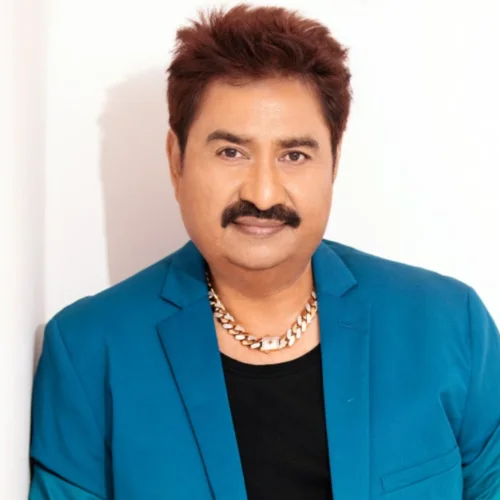
Kumar Sanu, born Kedarnath Bhattacharya, is a legendary Indian playback singer widely recognized as the "King of Melody" in Bollywood cinema. He dominated the Indian music industry throughout the 1990s, lending his smooth, romantic voice to countless iconic films like Aashiqui, Dilwale Dulhania Le Jayenge, and Kuch Kuch Hota Hai. Deeply influenced by the style of Kishore Kumar, Sanu became the defining voice for a generation of leading actors and established himself as a cultural icon of romantic Hindi music.
His historic career is marked by extraordinary achievements, including a Guinness World Record for recording an astonishing 28 songs in a single day in 1993. He also holds the unmatched record of winning the Filmfare Award for Best Male Playback Singer for five consecutive years, from 1991 to 1995. In recognition of his immense contributions to the arts, the Government of India honored him with the Padma Shri in 2009, cementing his legacy as one of the most influential vocalists in Indian cinema history.
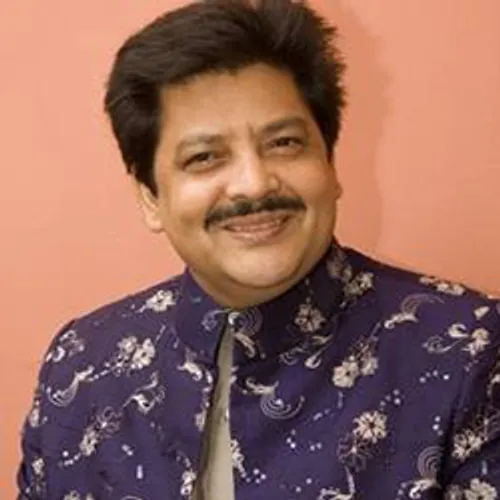
Beyond his massive success in Bollywood, Kumar Sanu shares a deeply cherished connection with the Nepali music industry, having lent his iconic voice to numerous evergreen Nepali film tracks. During the golden era of the 1990s, he recorded exceptionally popular Nepali hits such as "Ma Ta Aba Risauchhu Boldai Boldina" from the movie Sworga, "Yo Katha Ho Trishna Mero", and "Yo Dui Thopa Aansu", which earned him a massive, devoted fanbase across Nepal. His musical ties were further amplified through his career-long professional camaraderie and rivalry with legendary fellow playback singer Udit Narayan, who possesses deep roots in Nepal. Sanu remains a highly respected and beloved figure in the country, frequently traveling to Kathmandu and Janakpurdham to headline major live charity concerts alongside prominent local artists.